
Paysend Group Karten vergleichen
V
Virtual Paysend Mastercard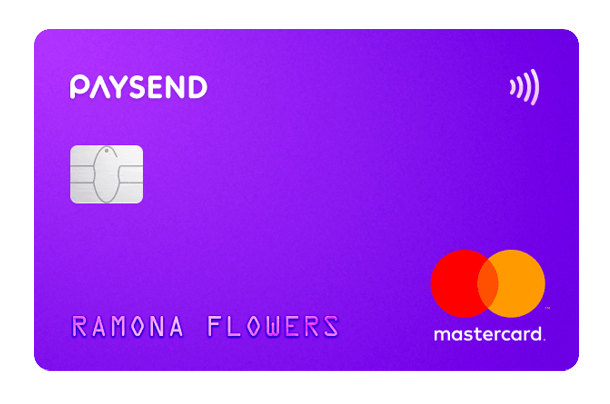 Physical Paysend Mastercard
Prämien
Cashback
—
—
Cashback-Krypto
—
—
Staking-Prämien
✗
✗
Staking-APR
—
—
Willkommensbonus
—
—
Empfehlungsbonus
—
—
Gebühren
Monatsgebühr
Kostenlos
Kostenlos
Kartenausstellung
Kostenlos
$5
ATM-Gebühr
Kostenlos
2%
FX-Gebühr
2%
2%
Aufladegebühr
Kostenlos
Kostenlos
Ablehnungsgebühr
Kostenlos
Kostenlos
Limits
Tagesausgabe
$10,000
$10,000
Monatsausgabe
$50,000
$50,000
ATM-Abhebung
Unbegrenzt
$1,200
Karteninfo
Kartentyp
Virtuelle Karte
Physische Karte
Kartennetzwerk
Mastercard
Mastercard
Apple Pay
✓
✓
Google Pay
✓
✓
V
Virtual Paysend MastercardPhysical Paysend MastercardPrämien
Cashback
Virtual Paysend Mastercard—
Physical Paysend Mastercard—
Cashback-Krypto
Virtual Paysend Mastercard—
Physical Paysend Mastercard—
Staking-Prämien
Virtual Paysend Mastercard✗
Physical Paysend Mastercard✗
Staking-APR
Virtual Paysend Mastercard—
Physical Paysend Mastercard—
Willkommensbonus
Virtual Paysend Mastercard—
Physical Paysend Mastercard—
Empfehlungsbonus
Virtual Paysend Mastercard—
Physical Paysend Mastercard—
Gebühren
Monatsgebühr
Virtual Paysend MastercardKostenlos
Physical Paysend MastercardKostenlos
Kartenausstellung
Virtual Paysend MastercardKostenlos
Physical Paysend Mastercard$5
ATM-Gebühr
Virtual Paysend MastercardKostenlos
Physical Paysend Mastercard2%
FX-Gebühr
Virtual Paysend Mastercard2%
Physical Paysend Mastercard2%
Aufladegebühr
Virtual Paysend MastercardKostenlos
Physical Paysend MastercardKostenlos
Ablehnungsgebühr
Virtual Paysend MastercardKostenlos
Physical Paysend MastercardKostenlos
Limits
Tagesausgabe
Virtual Paysend Mastercard$10,000
Physical Paysend Mastercard$10,000
Monatsausgabe
Virtual Paysend Mastercard$50,000
Physical Paysend Mastercard$50,000
ATM-Abhebung
Virtual Paysend MastercardUnbegrenzt
Physical Paysend Mastercard$1,200
Karteninfo
Kartentyp
Virtual Paysend MastercardVirtuelle Karte
Physical Paysend MastercardPhysische Karte
Kartennetzwerk
Virtual Paysend MastercardMastercard
Physical Paysend MastercardMastercard
Apple Pay
Virtual Paysend Mastercard✓
Physical Paysend Mastercard✓
Google Pay
Virtual Paysend Mastercard✓
Physical Paysend Mastercard✓
KYC-Anforderungen
Level: Volles KYC
E-Mail-Verifizierung
ErforderlichTelefon-Verifizierung
ErforderlichAusweisdokument
ErforderlichAdressnachweis
ErforderlichSelfie-Verifizierung
Erforderlich—/10
Noch nicht bewertet
Wir haben noch nicht genug Community-Feedback für diese Karte gesammelt. Schauen Sie bald wieder vorbei!
Funktionen
Kontaktlos
Unterstützte Kryptowährungen
 BTC
BTC USDT
USDT USDC
USDC