
Resumen de la Tarjeta
Requisitos KYC
Puntuación de la Comunidad
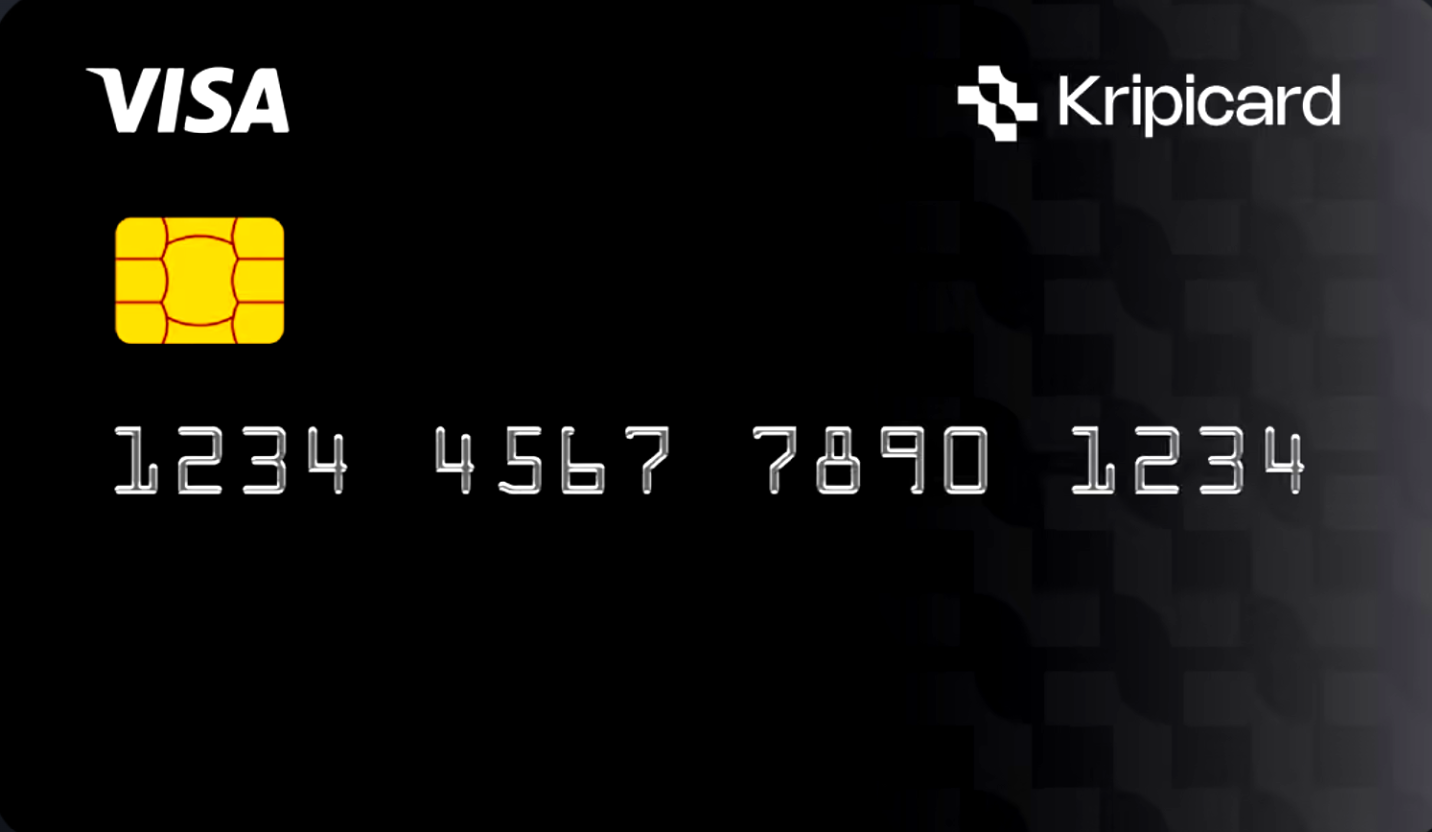
Kripicard Gold Tier scores 4.2/10 across 42 community sources, unifying two independent research passes that converge on the same verdict from different evidence: the product does what it advertises technically, and almost everything around it carries risk. Both agree the core function works. Deposits across Ethereum, BNB Chain, Polygon, Arbitrum, Solana and Tron settle into a spendable virtual card in minutes with no passport or utility bill required upfront, which is real utility for media buyers, LATAM freelancers and users in restrictive banking jurisdictions. Both also agree the economics are punitive: a 4% funding fee on top of an issuance charge and, historically, a 1.50 dollar monthly fee, with the discount to 2% available only to users who buy and hold 100,000 KRIPI tokens. That structure transfers platform token-price risk onto the cardholder, and on small loads the arithmetic is brutal, with one teardown putting a 10 dollar top-up near 64% all-in. Where the two passes diverge is instructive. One scores onboarding 9 out of 10 on the strength of the marketed document-free KYT model; the other scores it 6 after a step-by-step Gold signup walkthrough showed the flow collecting legal name, date of birth, phone number and full address, with KYCnot.me classifying the service as shotgun KYC because partners can demand identity and source-of-funds mid-flow. The concrete evidence wins, so onboarding settles at 7: far easier than a bank, but not the email-only experience advertised. The passes also conflict on staking yield, quoted as 15 to 35% in one and 8 to 12% in the other; on the issuer, with a BIN lookup resolving to a US-issued Mastercard against the company describing only unnamed licensed banking partners; on the card network, since Trustpilot complaints cite a Visa vendor block; and on current pricing, since the public fees page now lists Premium only and Gold appears repositioned as a complimentary creator-programme tier rather than a retail product, making the 3 dollar issuance and 1.50 dollar monthly schedule historical. The low overall score rests on what both passes independently verified. Custody is hybrid and the marketing is misleading: crypto stays in the user wallet only until top-up, after which the fiat float sits with partners who can freeze it, and did, in a February 2026 partner lock the company itself acknowledged by launching a reserve-funded Fund Recovery Program in May 2026 that required affected users to submit identity documents. Organic sentiment clusters hard on stuck deposits, with Trustpilot near 2.3 out of 5 and most reviews at one star describing deposits confirmed on-chain then rejected, refunds promised on rolling deadlines that pass, and support replies arriving months late or claiming no matching account, against a first-party claim of 4.7 out of 5 from 2,147 testimonials. Positive coverage is almost entirely paid: the affiliate programme pays view bonuses and deposit commissions and supplies pre-funded test cards, the official YouTube channel shows roughly 118 subscribers against millions of claimed views on a handful of shorts, and the August 2026 X surge is driven by a 50 dollar per winner content contest. Gridinsoft blacklists the domain at 35 out of 100 and an r/ScamChecker thread rates it 96 out of 100 risk. There is no native iOS or Android app despite a promised Q1 2026 release, Apple Pay is gated to the Premium tier, and the card is blocked at Steam, Walmart, Uber and Foodpanda. Best treated as a low-balance, spend-immediately tool rather than anywhere to hold funds.
Desglose por Categoría
Características
Criptomonedas Soportadas
 BTC
BTC ETH
ETH USDT
USDT USDC
USDC SOL
SOL