Card Overview
KYC Requirements
Community Score
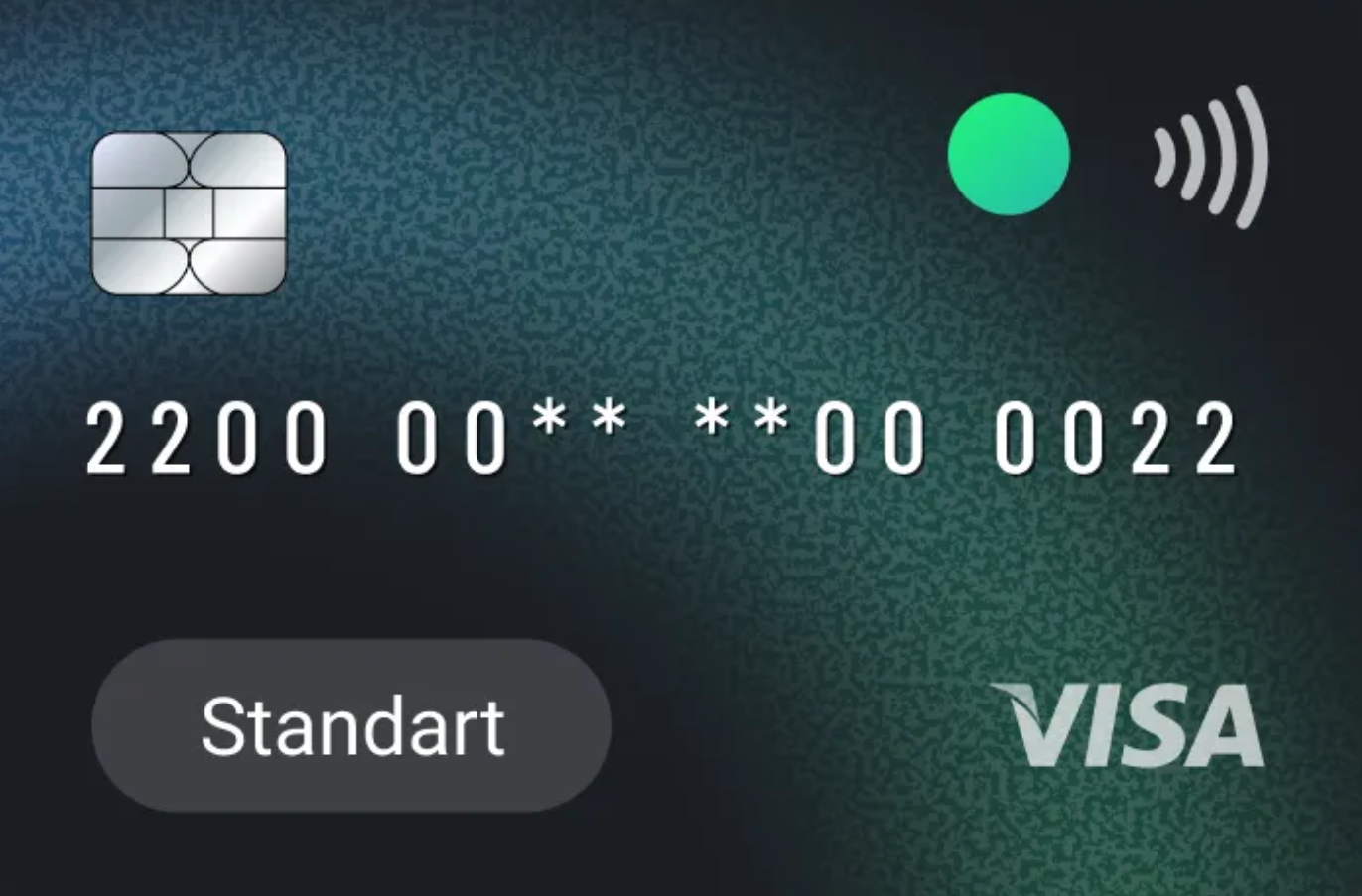
Pay2.House Standard Virtual Card scores 6.0/10 across 59 sources, and the unified picture from both research passes is of a B2B media-buying instrument being judged against consumer-card standards it never set out to meet. Its core product is access: instant, uncapped card issuance with no KYC beyond an email address and a Telegram handle, USDT TRC-20 and Capitalist funding that bypasses SWIFT entirely, and rotating "clean" BINs that clear the fraud filters on Meta, Google, TikTok and Telegram Ads which routinely reject conventional bank cards. Reviewers across the affiliate and arbitrage press rate support unusually highly, citing named Telegram account managers rather than chatbot loops, and praise the API, team budget controls and zero-fee internal transfers across the wider Holding.House ecosystem. The cost of that access is steep and is the single most repeated complaint: $5 issuance, $5 monthly per active card, roughly 4% to top up, further fees to move unspent funds back to the wallet, a $50 minimum deposit, and penalties of $0.25 to $0.50 or 3% on declines, which compound badly in automated ad billing where a single misconfigured threshold can trigger dozens of failed charges. Evidence quality is the principal caveat. Organic Reddit discussion is entirely absent, with keyword searches returning gaming "pay 2 win" and auction-house threads instead, X activity is confined to the company's own accounts, and nearly all YouTube and blog coverage carries promo codes paying creators up to 33% revenue share, producing a reputation shield rather than an independent record. Sources also conflict on basics: BIN origin is reported variously as Spain, Hong Kong, the United Kingdom, Estonia and the United States, and Apple Pay and Google Pay support is described as working on Standard cards in some reviews and gated behind KYC'd Personal cards in others, with tokenization requiring device region changes to match the BIN. There is no native iOS or Android app; the dashboard is a mobile-responsive web app with OTPs delivered by Telegram bot, so biometrics and push alerts are absent. Independent scanners and Russian-language critical pages flag ownership opacity, anti-fraud card closures after intensive use, a 14-day hold after the last transaction before refunds, and possible verification demands at higher withdrawal volumes. Balances should be treated as working capital only: this is a custodial offshore ledger with no meaningful recourse if an account is frozen.
Category Breakdown
Features
Supported Cryptocurrencies
 USDT
USDT